
Introduction
Continuous Integration/Continuous Deployment (CI/CD) pipelines play a crucial role in full stack development by streamlining the software delivery process, enhancing efficiency, and reducing time to deliver features and updates. The benefits of CI/CD in full stack application development are significant—ranging from faster deployment to error-free codes and faster time to market. Professional application developers are increasingly enrolling in advanced courses in application development, such as a full stack developer course in Bangalore, because of the demand in the job market for developers who have skills in using CI/CD pipelines for full stack application development.
This write-up offers a comprehensive look at CI/CD pipelines for full stack development.
What is CI/CD?
Continuous Integration (CI) involves frequently merging code changes into a shared repository. It automates the process of building and testing code, ensuring that every integration is verified by an automated build. Automated builds and tests are run on this shared repository. This ensures that new code integrates smoothly with the existing codebase, catching bugs early.
Continuous Deployment (CD) takes CI a step further by automatically deploying integrated code changes to production, following successful testing. This practice minimises human intervention and allows for faster and more reliable delivery of software.
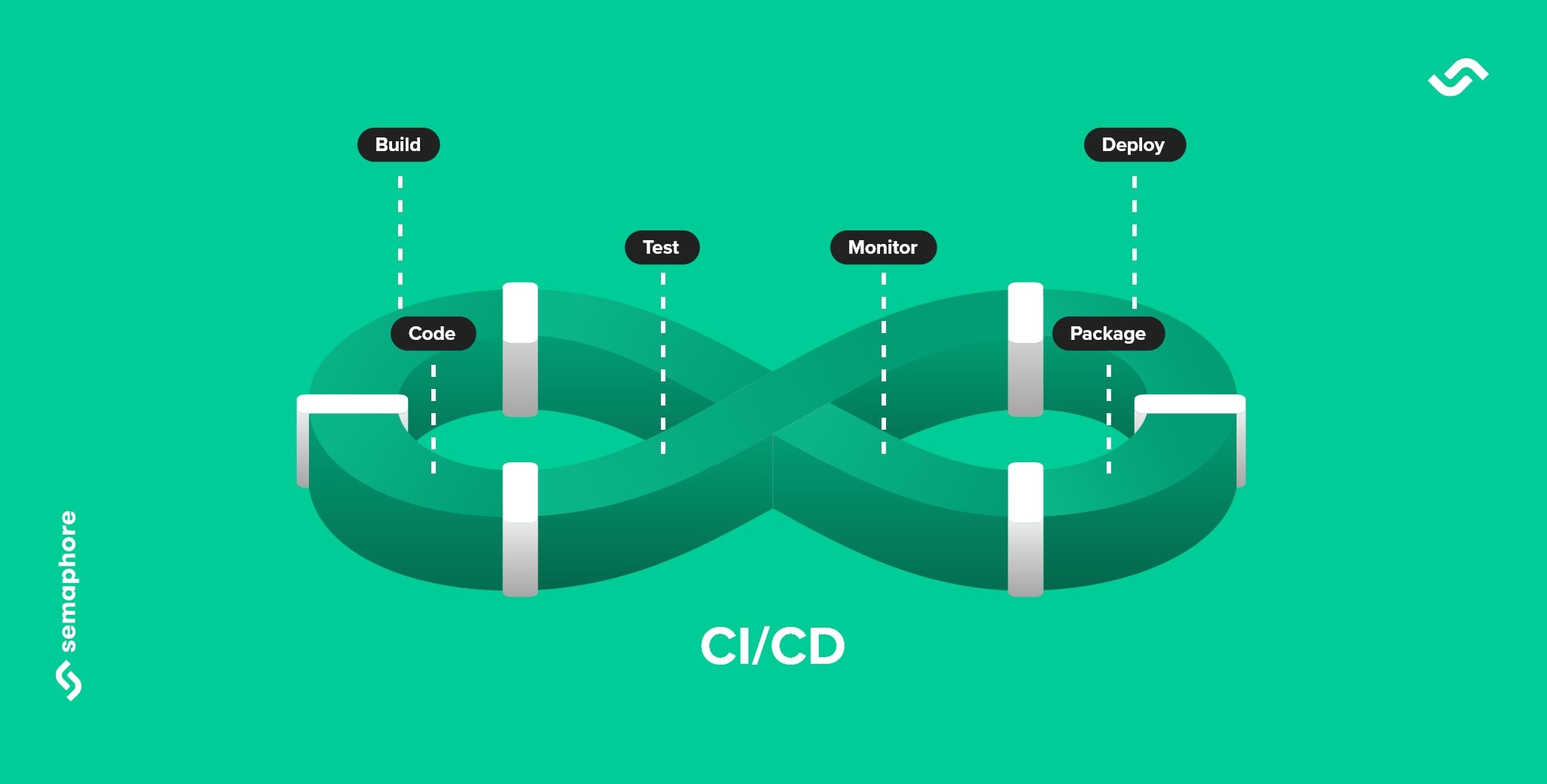
CI/CD stands for Continuous Integration and Continuous Deployment, practices that streamline and automate the software development lifecycle. CI/CD pipelines enhance collaboration, reduce errors, and accelerate release cycles, allowing teams to deliver features and updates efficiently. These practices are essential for maintaining high-quality, scalable, and responsive full stack applications.
Why CI/CD Pipelines are Essential in Full Stack Development
The benefits of using CI/CD in full-stack application development far offset the prerequisites for using it: having to manage complex dependencies, security concerns, and the need to master exclusive tools, all of which would call for enrolling in an inclusive Java full stack developer course. Here are some of the major benefits that are highly significant for full stack developers.
- Early Bug Detection: CI/CD pipelines enable early detection of bugs by running automated tests with every code change, reducing the risk of issues in production. Identifying bugs early in the development cycle and automating deployments make for a stable product. In full-stack applications, depending on the architecture employed, issues in one part of the stack can affect other parts or even the entire system Thus, stability is critical for full-stack applications. Continuous deployment ensures that small, manageable changes are released, reducing the risk of major disruptions.
- Faster Delivery: Automating the build, test, and deployment processes accelerates the release cycle, allowing developers to deliver features and updates quickly.
- Consistent Deployments: Ensures consistent environments across different stages (development, testing, staging, production), reducing deployment issues. CD automates the deployment process, ensuring that code is deployed to different environments (staging, production, and so on) consistently and reliably. This reduces the chances of human error and ensures that deployments are reproducible. For full-stack developers, this consistency is crucial because it ensures that the entire application stack—front-end, back-end, and database—is deployed correctly.
- Reduced Integration Risk: In large codebases, often several application developers work simultaneously and make changes to code blocks. Unless these changes are promptly integrated, the overall coding can be affected. Without CI, integrating changes can become a complex and error-prone process. With CI, changes are frequently integrated, which reduces this risk and renders the integration process smoother and less complex. For full-stack developers, this is of particular relevance because they need to ensure that changes in the front-end and back-end work together seamlessly.
- Enhanced Collaboration: Encourages collaboration among developers, as code changes are continuously integrated, tested, and deployed.
Key Components of a CI/CD Pipeline in Full Stack Development
A CI/CD pipeline comprises some key components that must be carefully addressed and implemented for the wholesome effectiveness of an application. A well-conceived Java Full stack developer course must thoroughly acquaint learners with the following basic components of a CI/CD pipeline used in any full-stack application development initiative.
- Version Control System (VCS): Tools like Git, GitHub, GitLab, or Bitbucket store code and track changes. Developers push their code changes to these repositories.
- Build Automation: Tools like Jenkins, Travis CI, CircleCI, or GitLab CI/CD compile the code, generate executable files, and check for any build-related issues.
- Automated Testing: Incorporates various testing strategies (unit tests, integration tests, end-to-end tests) using tools like Jest, Mocha, Selenium, or Cypress to verify the functionality and stability of the code.
- Continuous Deployment: Automates the deployment process using Docker, Kubernetes, AWS CodePipeline, or Azure DevOps, ensuring the application is seamlessly deployed to the intended environment.
Steps to Implement a CI/CD Pipeline in Full Stack Development
This section provides a systematic step-by-step procedure for implementing a CI/CD pipeline in a full-stack application development engagement, along the lines that will be taught in a career-oriented course such as a full stack developer course in Bangalore and such learning hubs.
Set Up a Version Control System (VCS):
- Use Git to manage source code, branches, and commits.
- Create a repository for the full stack project and push the initial codebase.
Configure a CI/CD Tool:
- Integrate with Jenkins, GitLab CI/CD, CircleCI, or GitHub Actions for automated builds and deployments.
- Create a configuration file (for example, Jenkinsfile, .gitlab-ci.yml) that outlines the build and deployment steps.
Automated Build Process:
- Define build scripts for frontend (for example, npm build for React/Vue) and backend (for example, Maven for Java, npm for Node.js).
- Ensure that dependencies are correctly installed and the application is compiled.
Implement Automated Testing:
- Incorporate unit testing (Jest for frontend, Mocha/Chai for backend).
- Integrate end-to-end testing using Selenium or Cypress.
- Add testing stages to your CI/CD configuration file.
Deploy to Staging and Production:
- Utilize Docker containers for consistent deployment across environments.
- Implement Kubernetes for orchestrating deployments to production.
- Ensure rollbacks are in place for any failed deployments.
Best Practices for CI/CD Pipelines in Full Stack Development
- Start with Small, Incremental Changes: Commit small code changes frequently to avoid large, error-prone integrations.
- Use Branching Strategies: Implement GitFlow, GitHub Flow, or feature branching to manage code integrations effectively.
- Automate Testing: Ensure robust test coverage across frontend, backend, and database layers.
- Monitor Builds and Deployments: Use monitoring tools like Prometheus, Grafana, or ELK Stack to keep track of pipeline health and application performance.
Challenges in Implementing CI/CD Pipelines
- Managing Complex Dependencies: Handling dependencies across different layers (frontend, backend, database) can be challenging.
- Integration with Legacy Systems: Integrating modern CI/CD practices with legacy systems may require additional effort.
- Ensuring Security: Regularly audit your CI/CD pipeline for vulnerabilities, as automation can introduce security risks if not properly managed.
Tools Commonly Used in CI/CD for Full Stack Development
- Jenkins: Widely used open-source automation server for building, deploying, and automating projects.
- GitLab CI/CD: Integrated with GitLab repositories, providing a seamless CI/CD experience.
- CircleCI: A cloud-based CI/CD platform that offers quick setup and easy integration with VCS.
- Docker & Kubernetes: Essential for containerising full stack applications and managing deployments at scale.
Conclusion
Implementing CI/CD pipelines in full stack development significantly improves efficiency, collaboration, and code quality. By automating repetitive tasks, ensuring consistent environments, and enabling faster deployment, CI/CD becomes a valuable asset for delivering high-quality applications. Acquiring skills in implementing CI/CD pipelines for integration in full-stack application development by completing a Java full stack developer course will help full stack developers adapt to evolving requirements and rapidly deliver features, ensuring a smoother development lifecycle.
Business Name: ExcelR – Full Stack Developer And
Address: 10, 3rd floor, Safeway Plaza, 27th Main Rd, Old Madiwala, Jay Bheema Nagar, 1st Stage, BTM 1st Stage, Bengaluru, Karnataka 560068
Phone: 07353006061
Business Email:enquiry@excelr.com